When it comes to engine longevity, avoiding piston ring installation mistakes is crucial for every mechanic. Installing piston rings might seem like a straightforward task, but in the world of engine rebuilding, precision is everything. Even a sub-millimeter error can lead to catastrophic engine failure, excessive oil consumption, or loss of compression.
As a professional supplier of high-performance piston rings, we have analyzed thousands of engine teardowns. Here are the 5 most common installation mistakes and the professional steps you should take to avoid them.
1. Installing Rings Upside Down (Orientation Error)
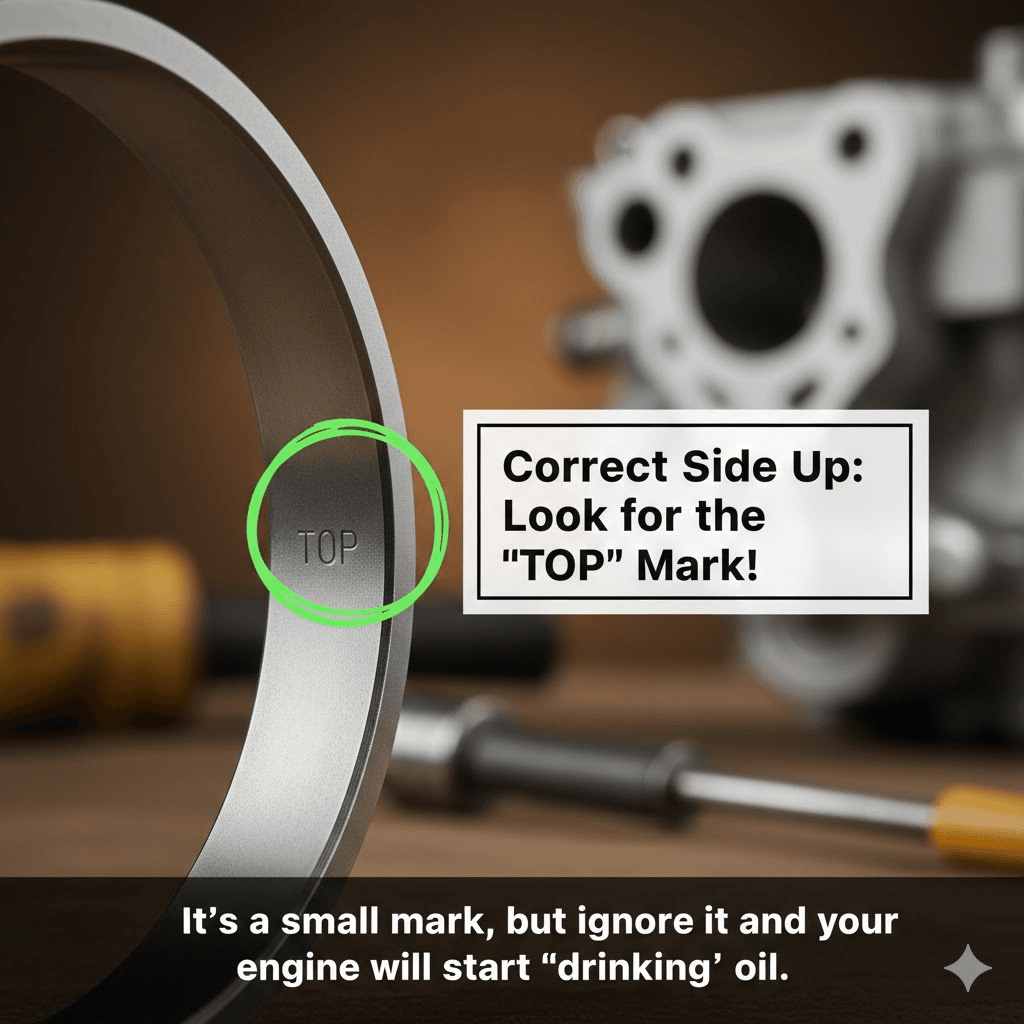
Most compression rings are designed with a specific profile—tapered, beveled, or keystone. However, one of the most common piston ring installation mistakes is reversing this functional geometry by installing them upside down.
- The Mistake: Ignoring the “Top” mark or dots on the ring surface during the assembly process.
- The Consequence: Instead of scraping oil down toward the crankcase, an upside-down ring will pump oil up into the combustion chamber, leading to massive oil consumption and blue smoke.
- The Fix: To avoid these piston ring installation mistakes, always look for the identification mark (usually a “T”, “Dot”, or brand logo). This mark must always face the top of the piston (combustion side).
2. Incorrect Ring Gap Spacing
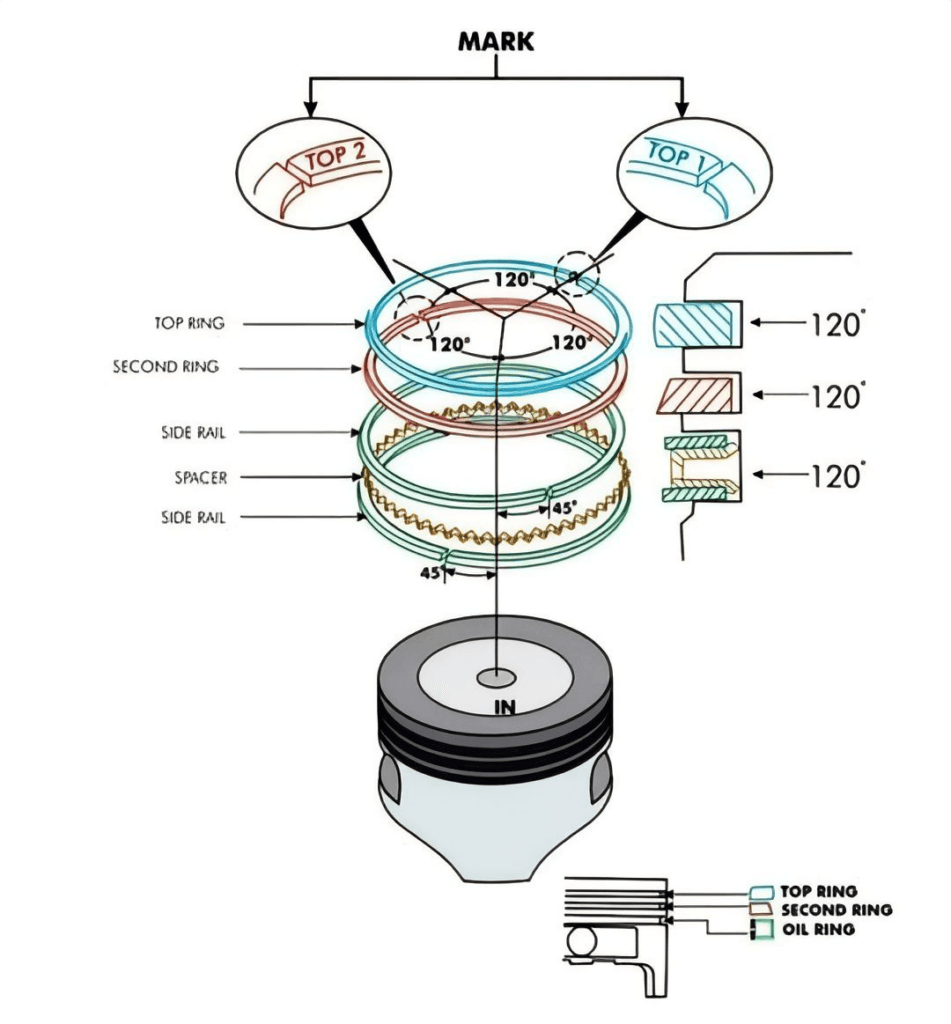
Even with the best components, improper gap alignment is one of the most frequent piston ring installation mistakes. If the gaps are not staggered correctly, they create a straight path for combustion gases to escape.
- The Mistake: Aligning all ring gaps in a single vertical line or over the piston pin hole.
- The Consequence: This leads to “blow-by,” excessive crankcase pressure, and a noticeable loss in engine compression.
- The Fix: Use a “clocking” method. As shown in our guide, position the top ring at 12 o’clock and the second ring at 6 o’clock to maximize the sealing path.
3. Skipping the Groove Cleaning Process
Piston rings are made of specialized alloys or cast iron, which are brittle and have a specific “memory” for their shape.
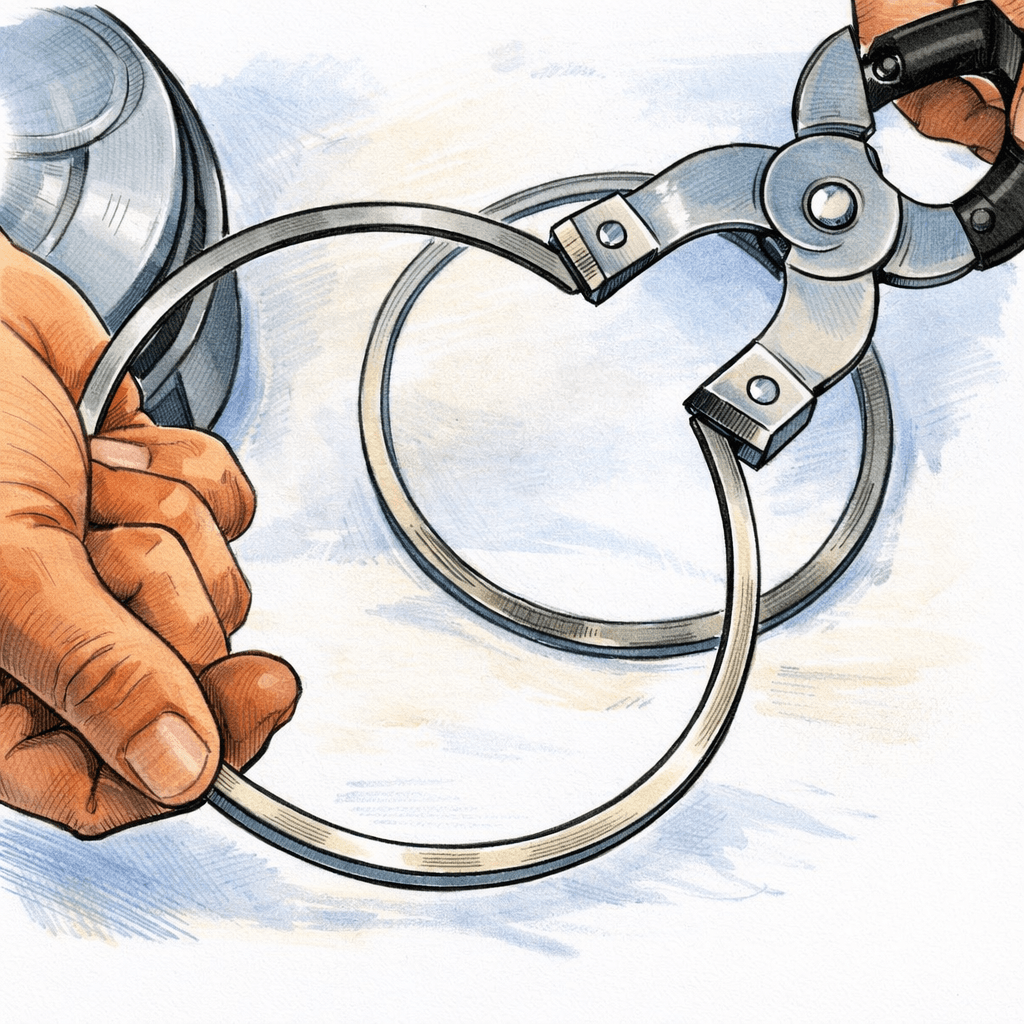
- The Mistake: Spiraling the rings onto the piston by hand or over-expanding them to fit over the piston crown.
- The Consequence: Over-stretching creates permanent micro-deformation. The ring will no longer be perfectly circular, preventing it from sealing against the cylinder wall.
- The Fix: Always use a Piston Ring Expander tool. This tool ensures even tension and prevents the ring from snapping or warping during the process.
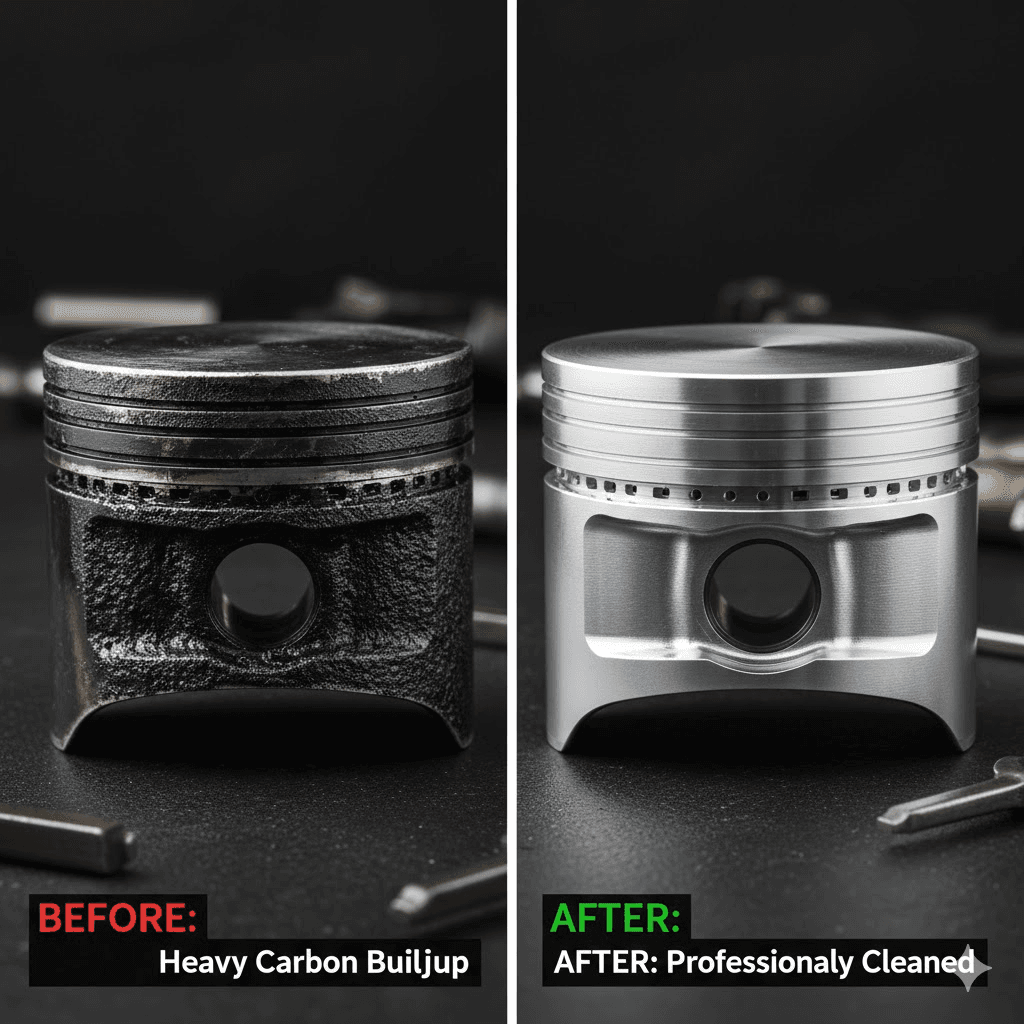
4. Failing to Clean the Piston Ring Grooves
Trying to “manhandle” the rings onto the piston by hand is a recipe for disaster and a classic example of piston ring installation mistakes.
- The Mistake: Spiraling the rings onto the piston by hand or over-expanding them without a tool.
- The Consequence: Rings are brittle; even if they don’t snap immediately, over-stressing them causes microscopic cracks or permanent deformation, ruining the tension.
- The Fix: Always use a dedicated piston ring expander for installation and a high-quality ring compressor when inserting the piston into the cylinder.
5. Forgetting to Measure End-Gap
The final entry in our list of piston ring installation mistakes is assuming the rings are “drop-in” ready without checking clearances.
- The Mistake: Failing to measure the ring end-gap inside the cylinder bore.
- The Consequence: If the gap is too small, the ring ends will touch as they expand from heat, causing the rings to buckle and potentially catastrophic engine failure.
- The Fix: Insert the ring into the bore, square it with a piston, and use a feeler gauge to verify it meets the technical specifications found in your service manual.
Conclusion: Precision Engineering Requires Precision Installation
A successful engine rebuild depends as much on the installation quality as it does on the quality of the parts. By avoiding these five common pitfalls, you ensure your engine achieves maximum compression and longevity.
Are you looking for high-durability piston rings for your next project? [Explore our Catalog of OEM-Quality Piston Rings]